In the intricate world of storytelling, creating tension and suspense is a nuanced art. It’s not just about the spine-chilling villains or the dark, looming forests. It’s about diving deep into character dynamics, their growth, and how their appearances and conduct contribute to the story’s tension. Let’s explore these aspects through the lens of my third book in the “Adventures of Alexia and Phoebe” series. I will of course also use characters from well-known children’s literature.
Who’s Afraid of the Big, Bad Wolf?
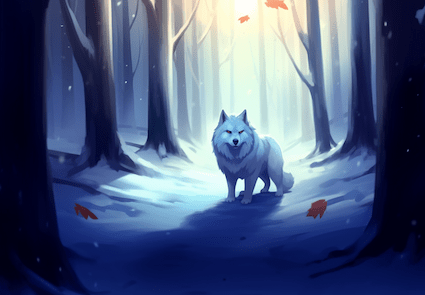
In the first two books of my series, joy and goodness reign supreme. Yet, in the third book, a different, more ominous note strikes with the introduction of the White Wolf. Despite its initial unsettling presence, the White Wolf is revealed as a guardian of the forest, not an evil antagonist. But a question lingers: would making the wolf appear more fearsome, or simply naming it ‘the Wolf,’ amplify the suspense and tension in the story? Could such a change elevate the emotional impact, adding a layer of dread and anticipation, or would it overshadow the tale’s essence, making it excessively terrifying for young readers?
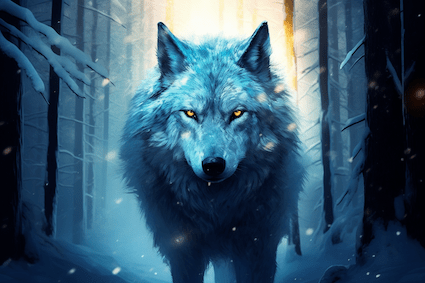
Another fascinating aspect to consider is the true nature of the White Wolf. Is the wolf inherently kind, or is its alliance with Alexia and Phoebe merely circumstantial? Would the White Wolf have extended the same compassion and kindness if our protagonists had harbored malicious intentions? It’s an intriguing exploration of character depth — does the inherent goodness of Alexia and Phoebe elicit the wolf’s protective stance, or does the wolf possess an innate benevolence, unbiased by the nature of those it encounters?
Is Being Scary a Matter of Appearance or Conduct?
In our rich tapestry of children’s literature, we frequently encounter the theme of good versus evil, often visually represented through beautiful heroes and frightening villains. Think of the Sea Witch from “The Little Mermaid” or Lord Voldemort from “Harry Potter.” These characters, with their sinister appearances, instantly signal menace, and wickedness to the reader.
Conversely, beautiful but morally corrupt characters like the Snow Queen captivate readers with their icy allure while concealing a heart of malice. This dynamic perpetuates the stereotypical association of beauty with goodness and ugliness or scariness with evil.
But here lies an intriguing question: Are there characters in literature that appear scary but embody goodness and virtue? This question puzzled me for days, leading me to the unusual example of Quasimodo from Disney’s “The Hunchback of Notre Dame.” Note that in the original novel by Victor Hugo, Quasimodo’s role and characterization are quite different, but let’s stick with Disney’s adaptation for our discussion.
In the film, despite his fearsome appearance, Quasimodo is the protagonist, showcasing kindness, bravery, and loyalty. His character challenges our ingrained prejudices, inviting us to reassess our perceptions and assumptions based on appearances.
Now, consider the two “Quasimodo” images below. One character looks menacing, while the other appears friendly and slightly comical. If I were to say one is the protagonist and the other the antagonist, which would you choose?
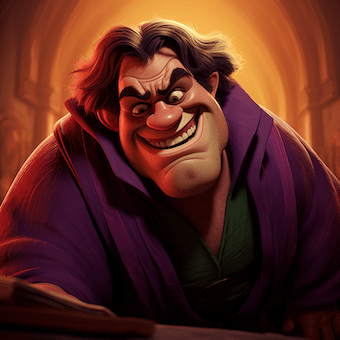
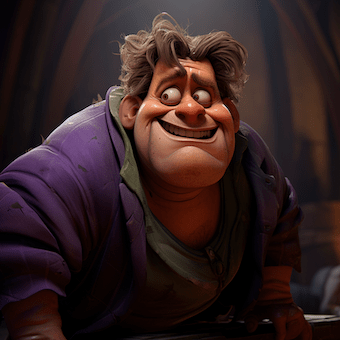
It’s an exercise that reveals much about our subconscious biases. Are we predisposed to associate appearance with moral alignment? This topic invites further exploration and discussion, as we continue to engage with and understand the nuances of character creation and perception in literature.
Unveiling the Mask: Character Revelation as a Tool for Suspense
The art of revealing character secrets or hidden traits at critical moments is another tool I use to heighten suspense and engage you, the readers. It’s not only about the shock value of the revelations themselves, but also about how these unveilings contribute meaningfully to character development and the overarching narrative tension.
Take the meeting between Phoebe and The Unicorn of the North in my series as an example. This encounter discloses that Phoebe is the Unicorn of the South, representing the potent forces of summer, contrasting sharply with the wintery power of the North. This disclosure not only delivers a climactic twist but also enhances character dynamics, providing a deeper insight into Phoebe’s true identity and her crucial role within the story.
Are you curious about the potential existence of the Unicorns of the West and East? Could their presence introduce more layers of complexity and intrigue to the tale? The possibilities are boundless, and as the adventures of Alexia and Phoebe unfold, we journey together into the uncharted territories of their world. Without revealing too much, let’s just say the next chapters may hold unexpected surprises and unforeseen allies or challenges. The adventure continues, and every page turned unravels a new layer of the rich tapestry of this enchanting story.

 Artistic Adventures with Victoria
Leave a comment